Mentice helps Medical Device Industry R&D teams evaluate concepts, refine prototypes, and involve clinical experts in realistic, repeatable simulation environments.
Use virtual and physical simulation to examine device behavior, anatomy, imaging, workflow, and procedural interaction throughout development.
Speak to an expert

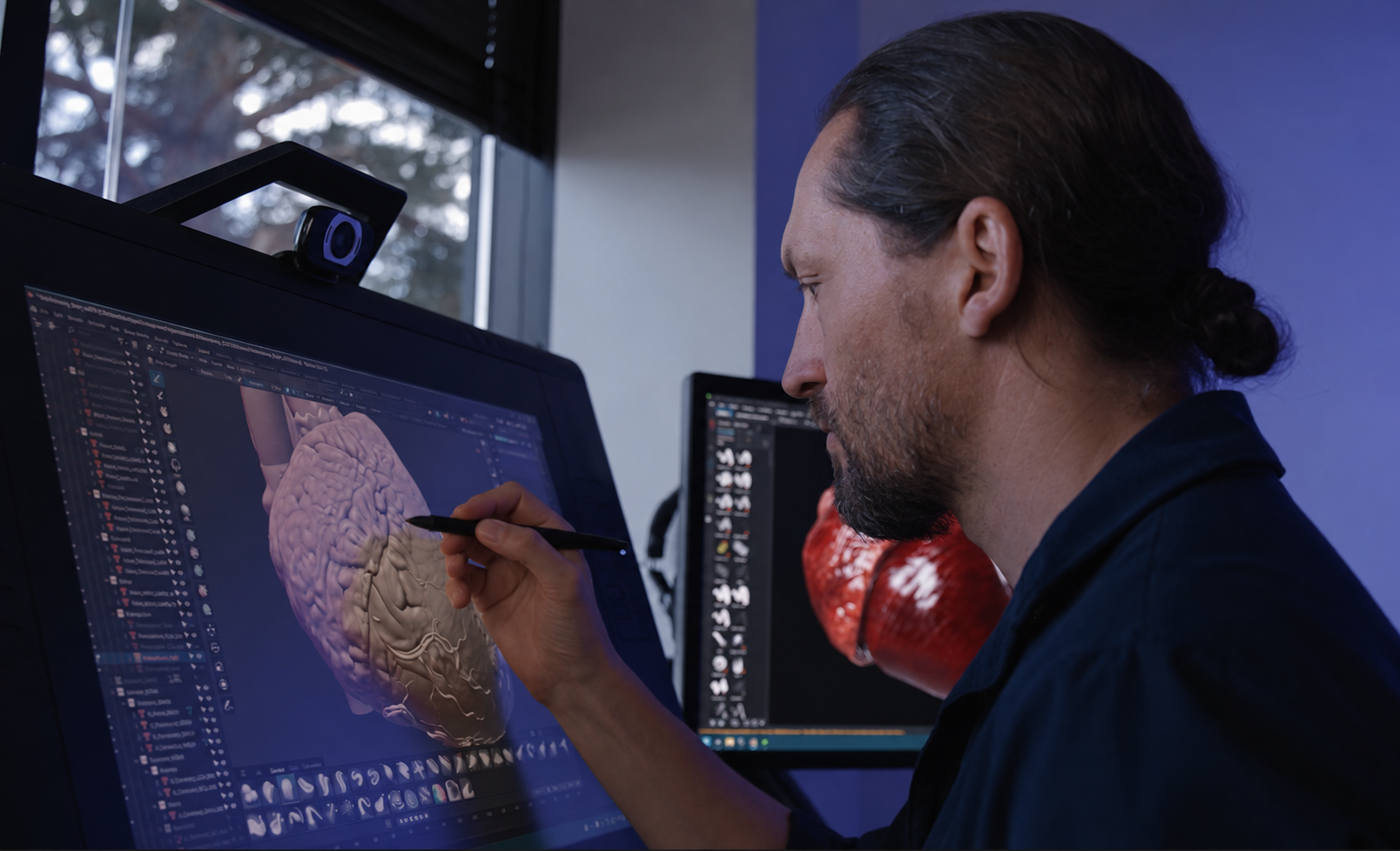
Bench testing, engineering analysis, and later-stage studies each answer different questions. Simulation adds a controlled, repeatable environment where development teams can examine how a device behaves in relation to anatomy, imaging, workflow, and procedural technique.
Bring engineers and clinical experts into the same setting to compare design iterations, explore specific development questions, and gather focused feedback earlier in the process.
The value is not replacing established testing methods. It is adding another practical layer of observation and insight between the design desk and the clinical environment.
...
Create structured, repeatable ways to examine device behavior, compare design iterations, involve clinical experts, and explore workflow and imaging questions across the development process.
Compare design changes in repeatable anatomical and procedural conditions to support more focused engineering discussions and next-step decisions.
Observe tracking, navigation, deployment, and interaction with anatomy and flow using real clinical devices where relevant.
Bring physicians into structured sessions to examine handling, workflow, procedural fit, and specific design questions with the development team.
Explore imaging, access, procedural sequence, and workflow questions in simulation environments relevant to intended use.
Mentice works with engineering, product, clinical, and education stakeholders to shape the simulation environment around the device, development stage, and question being explored.
1
Define the objective
Clarify the device, development stage, anatomy, imaging, workflow, and questions the simulation should help examine.
2
Configure the environment
Select the virtual or physical approach, anatomy, flow, scenarios, imaging, and device integration relevant to the objective.
3
Review with engineers and clinicians
Bring development and clinical perspectives together to examine device behavior, handling, workflow, and design questions.
4
Refine and repeat
Adjust the setup, anatomy, scenarios, or device iteration and compare observations under controlled, repeatable conditions.
5
Prepare the next stage
Use the resulting observations to inform the next development activity, study, or internal decision.